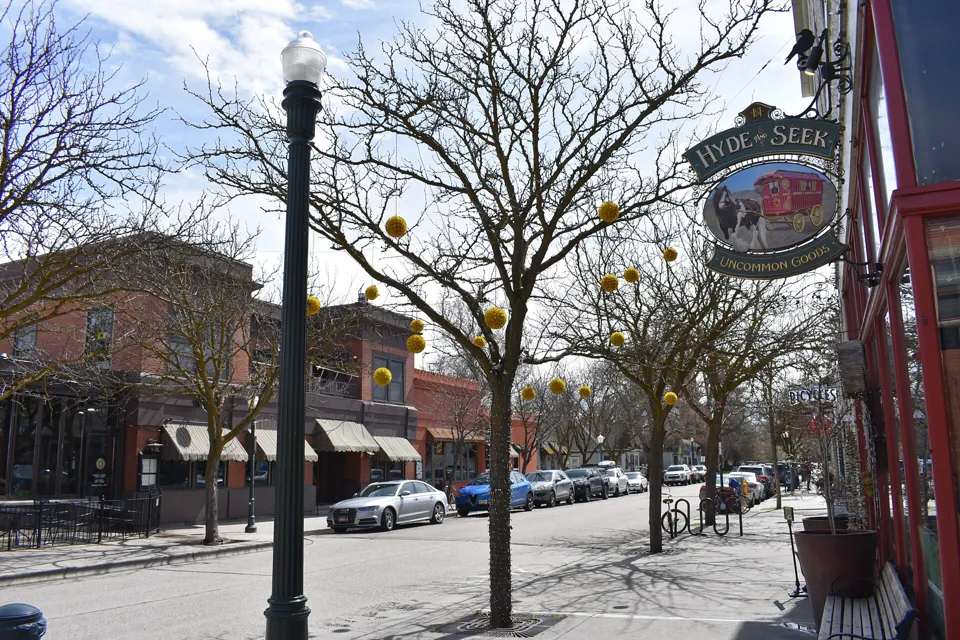
Why your part of Boise matters
Boise has no single pest season. What you deal with depends a lot on what surrounds your house, and three things make the biggest difference.
House age. Many of the city's older homes are in the North End, the East End and the older parts of the Bench. Over a century, foundations settle, mortar loosens and basements end up with gaps around pipes and vents. Mice and spiders get in through openings like these. Newer construction is usually tighter, but it is often built right beside open ground.
The foothills edge. The Boise Foothills rise directly north and northeast of downtown. Homes near sagebrush and grass often see more deer mice and crickets in fall, and anyone who walks the trails can bring home ticks in spring.
Water corridors. The Boise River, the Greenbelt and the irrigation canals give rodents cover, water and travel routes through an otherwise dry valley. The airport record shows July and August averaging only about 0.2 inch of rain each. Water in a landscape like that tends to concentrate wildlife, pests included.
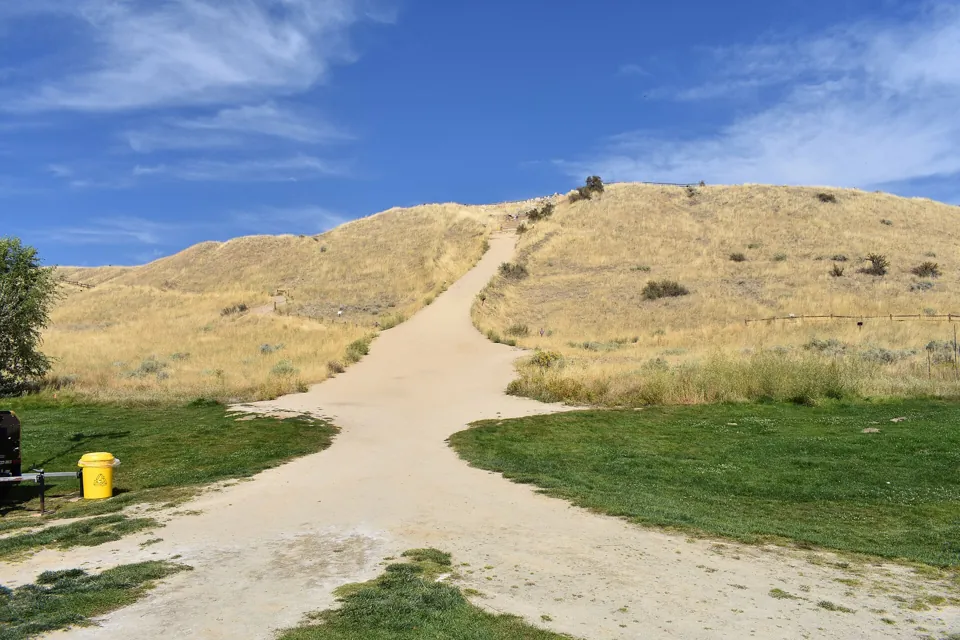
Neighborhood by neighborhood
These descriptions are general patterns, not predictions for any one house. A tidy home can still get mice, and a home that backs onto open ground can go years without problems.
North End
Older homes, big trees, foothills at the back door
The North End combines old houses, mature street trees along routes like Harrison Boulevard, and quick access to the foothills through Camel's Back Park and Hulls Gulch. Older basements and crawlspaces often have hobo and giant house spiders, and the many small openings in aging foundations let mice in when nights cool in fall. Large maples and boxelders can send boxelder bugs to sunny south and west walls in fall. If your household uses the Ridge to Rivers trails, check everyone, pets included, for ticks after spring hikes.
Boise Highlands
1970s homes on the slope above the North End
North of Hill Road and east of Bogus Basin Road, the Highlands is mostly 1970s housing set near foothill grass and brush. Living this close to open ground often means deer mice, not house mice, try to move into garages and storage areas in fall. Deer mice can carry hantavirus, so droppings call for careful cleanup (see the safety note below). Crickets also tend to move in from dry slopes late in the season, and spiders that hunt them may follow. Trail users here should do the same spring tick checks as their North End neighbors.
East End and Warm Springs
Turn-of-the-century houses, geothermal heat
Many of the big homes along tree-lined Warm Springs Avenue date to around the turn of the 20th century, and some are still heated by natural hot water, as they have been since the 1890s. Old construction means the usual entry points for mice and spiders. A warm house can also let spiders and overwintering insects stay active indoors later into winter than they would in a cooler building. Mature trees bring fall boxelder bugs, and the open slopes below Table Rock are spring tick country.
Harris Ranch and the Barber Valley
Newer homes between the river and open hills
Houses on the far east side are newer and generally better sealed, but they sit between the Boise River and undeveloped foothills. That edge matters more than the age of the house. Deer mice, crickets and spiders often push in from open ground in fall. Young, heavily watered landscaping and mulch beds can support millipedes and pill bugs, which sometimes wander into garages and lower rooms. Pavement ants settle quickly under new patios and walkways.
Downtown
High-rises, older brick, shared walls
Around the Capitol, the Basque Block and the 8th Street pedestrian area, apartments, offices and older brick buildings share walls, alleys and trash areas. In that kind of setting a pest problem in one unit can come from a neighbor's space, so renters should tell building management early. Mice, flies and pantry pests are the usual complaints indoors. Julia Davis Park and the river are only a few blocks away, and Norway rats in the Treasure Valley often travel river corridors.
The Bench
Old river terrace above downtown
The Bench is an old river terrace about 60 feet above downtown. Older areas such as Central Rim, Morris Hill and Depot Bench have plenty of mid-century and earlier homes, many with mature yards. Pavement ants are a steady summer complaint, especially when long stretches of heat send them looking for moisture indoors. Older foundations let mice in during fall. Bird feeders, backyard chickens, compost and stored feed are common in yards across the Valley, and all of them can draw Norway rats.
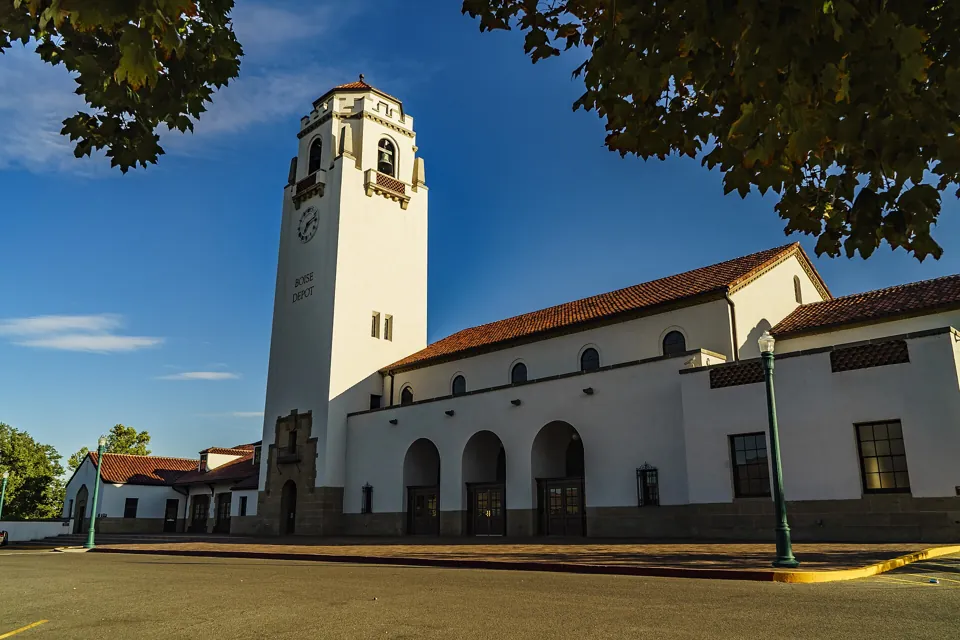
Southeast Boise
Campus edge, Greenbelt and river
Southeast Boise runs from Boise State University toward the river and Federal Way. It includes Original South Boise, which was platted in 1890, Columbia Village, and Bown Crossing near the Greenbelt. Homes closest to the river and Greenbelt are the most likely to see rats and mice moving along that corridor. The New York Canal follows the city's south and east side. Older houses near campus share the North End's spider and mouse patterns. Renters moving into an apartment or older home should look in cabinets for pantry pests before unpacking food.
West and Northwest Boise
Suburban streets, foothills to the north
West Boise is mostly suburban, and the usual issues there are routine ones: pavement ants along driveways in summer, odorous house ants in kitchens, spiders around eaves and window wells, and boxelder bugs on sunny siding in fall. Northwest Boise runs along the foothills north of State Street and mixes older and newer neighborhoods. Streets nearest the hills tend to see more crickets and deer mice in fall, and more ticks on pets after spring walks, than streets farther south.
Southwest Boise
1960s to 1980s homes, some acreage
Southwest Boise was mostly built between the 1960s and the early 1980s, and some lots are an acre or more with pasture. Newer subdivisions sit alongside them. Where there are horses, chickens or stored grain, Norway rats and house mice tend to show up around the feed. Animals and manure can increase fly numbers in summer, and pets that roam larger properties can bring home fleas. Open ground and outbuildings also give crickets and spiders plenty of shelter before the weather turns.
What is the same everywhere in Boise
Some patterns hold across the whole city, because they follow Boise's climate more than its street map. The seasonal pest calendar covers them month by month.
- Fall is rodent season. When nights cool, house mice and deer mice move toward buildings, whether the house is old or new.
- Summer heat drives ants indoors. The airport record averages about 55 days a year at 90°F or above, and ants often follow water into kitchens and bathrooms.
- Irrigation shut-off changes things. When canals and yard watering stop in fall, moisture-loving millipedes and pill bugs may move, and rodents along canal banks can shift toward buildings.
- Spring brings ticks. Rocky Mountain wood ticks are active in foothill grass and sagebrush, so check after any trail use.
- Black widows are the spider that matters. The brown recluse is not established in Idaho, according to University of Idaho Extension.
Some basics help in any neighborhood: store food in sealed containers, trim shrubs back from siding, fix leaking hose bibs and drip lines, and keep firewood and stored feed away from the house.
Mouse droppings and hantavirus
Deer mice can carry hantavirus. Central District Health and the CDC advise against sweeping or vacuuming droppings, because that can stir up dust. Their guidance recommends wet-cleaning with proper protection. Read the agency guidance before cleaning a shed, garage or cabin, or have a licensed professional handle it.
Questions about Boise neighborhoods
Does pest service work differently in different parts of Boise?
The approach is the same everywhere, but the focus changes. A licensed technician in the North End may spend more time on basement entry points and spiders. On a Southwest Boise acreage, the focus might be rodents around feed and outbuildings. Mention your neighborhood and what is nearby, such as a canal, open hills or animals, when you request a free quote.
My house in Harris Ranch is new. Why do I have pests?
New construction is usually tight, but homes next to open foothills and the river border wildlife habitat. Deer mice, crickets and spiders move toward the nearest shelter in fall, and new landscaping holds moisture that ground insects like.
If I live near the Greenbelt or a canal, will I get rats?
Not necessarily. Norway rats in the Treasure Valley often use canals and river corridors, but they settle where they find food and shelter. Bird feeders, compost, chicken coops and stored feed matter more than distance from the water. The rats guide explains the signs to look for.
Are brown recluse spiders found in older Boise homes?
University of Idaho Extension reports that the brown recluse is not established in Idaho. The spiders people ask about here are hobo or giant house spiders and the western black widow. The black widow is the only one considered medically important in Idaho.
Sources
Sources
Read how this guide is written and reviewed in our editorial notes.